Because it seems to be so many types of solder out there, choosing which solder to purchase can be confusing.
When I started out in electronics I had no clue, so I just used whatever solder I could find. But did you know that solder is not only used for soldering electronics?
Actually, solder is also used for plumbing.
And the solder used for plumbing should definitely not be used for electronics as it contains acid!
The main solder types
There are just a few basic points you need to know to understand what solder to choose and what to stay away from.
First of all, solder comes in many forms: pellets, bars, paste and wire. As a hobbyist, you will only need to get acquainted with the solder wire. And maybe the solder paste if you want to do SMD soldering.
There are two main types of solder:
Lead-based solder
Lead-free solder
The main practical difference between the two is the melting temperature. So in essence, you can choose whichever you like.
Lead-based solder
Solder based on lead was universally used in the past. It was made of a mixture of tin and lead. Usually a 60/40 (tin/lead) mix, that melts at around 180-190C degrees.
Because lead has some damaging effects to our health, the industry is moving away from lead and towards lead-free solder.
Lead-free solder
Lead-free solder is solder without lead. EU requires commercially available electronics to use lead-free solder (RHoS) because of the health hazards of lead.
It has a higher melting point, so it is a bit harder to work with, but usually not a problem.
The flux core of solder wires
Solder wires usually have a core inside the wire containing flux. Flux is designed to improve electrical contact and mechanical strength in solder joints.
There are mainly two types of flux cores. Acid core and rosin core. Acid core is used for plumbing and rosin core is used for electronics. So use rosin core.
(Side note: A new water-soluble flux core is starting to gain some traction as an alternative to rosin core because it is more environmental friendly.)
Summary
The main types of solder are lead and lead-free. You can use both for electronics, but it can be easier to work with lead-based solder.
Make sure to stay away from acid core solder as this is intended for plumbing, NOT electronics.
Here is a couple of alternatives I have found that should work very well for basic soldering:
NOF and solder mounting materials
Many alloys are under consideration as replacements for lead-based solder.working on tin-alloys, which have a melting point near that of lead-based solder and provide the opportunity to use NOF’s expertise in blocked carboxylic acid technology. Research is focusing on ways to solve the problem of metal deterioration caused by a chemical reaction with the carboxylic acid contained in the flux.
Solder particle
What is solder?
Solder is an age-old technique used to connect two types of metals. In the electronics industry, solder is used to attach electronic components to copper circuit lines on printed circuit boards.
What is solder
All about flux
Flux is a compound that includes carboxylic acid, often from rosin made from pine sap. Flux performs the following functions that are essential to linking two surfaces using solder.
Rosin
Using rosin or other chemical compounds containing carboxylic acid, flux plays a vital role in soldering as shown below.
Surface tension of solder coated by molten flux
Functions of flux
(1) Removes the oxide film from metal surfaces 2RCOOH + Cu2O -> 2RCOOCu + H2O
(2) Prevents oxidation by coating the solder
(3) Lowers surface tension
What is solder paste?
Solder paste is made by mixing a fine solder powder with liquid flux to produce a compound with a paste-like consistency. This paste is printed on the copper circuit pattern where components are to be mounted. Once components are in place, the board is heated to melt the metal in the solder and hold the components to the board.
Improvements in solder composition
An alloy of tin and lead was commonly used for many years but is no longer acceptable due to environmental issues. Companies are being required to switch to solder alloys that do not incorporate lead.
Harmfull things
Due to problems associated with reliability of the metal following
attachment, and to other issues, interest is currently focused on tin-silver compounds that have a melting point about 40°C to 50°C higher than lead-based solder. As a result, improvements are needed to make components that are resistant to higher temperatures and to enhance the performance of soldering ovens.
In addition, some companies have started studying tin-zinc compounds because they can be used with existing soldering ovens.
lead free bar solder Eco rohs SAC305 soldering bar
lead free bar solder Sn96.5Ag3.0Cu0.5
Sn96.5Ag3Cu0.5 lead free solder bar is lead-free alloys suitable for use as a replacement for Sn63 alloy. The SAC3053 tin bar variants is used to stabilize / reduce the copper content in the wave solder bar, this requirement will depend on process conditions. As with all our Metals bar solder, proprietary alloying process is used to remove certain impurities, particularly oxides.
SPEED – 0.75 seconds typical wetting speed compares to SAC305 at 0.65 sec and superior to Sn99.3/Cu0.7 based
alloys at 1.0 sec.
DROSS GENERATION – lowest in class due to the process in conjunction with the addition of a dross reducing agent.
Feature:
High Purity
Excellent solderability
Good wetting
Low oxides, low drossing
Solder bar, chunks, anodes, preforms and solid wire
VACULOY alloy conditioning process
Advantage:
Lowers Total Cost of Ownership due to the lower material cost, high yields and low dross generation.
Gives very good solderability due to the fast wetting speed.
Gives very good drainage and hence lower levels of bridges due to the formulation containing Silver.
Delivers good performance across a range of flux technologies.
SACX305 solder bar is suitable for wave soldering and surface mount applications for electronic assemblers interested in implementing a lead-free process. It is suited to single side and mixed technology boards. A solder pot temperature
of 255 – 265° C (491 – 509F) is recommended with a contact time 2.3 – 3.5 seconds. For suitable wave solder fluxes, please
see our selector guide. Lead free Reclaim services including dedicated lead free containers are also available, please consult our local sales office.
Supply ability:
We are specialized in kinds of soldering products
Solder wire:80-150Metric ton per month
Solder bar:Above100 ton per month
Solder paste:10-50 ton per month
Other solder:can meet customer’s demand
Certificate:
Newest SGS test;ISO9001:2008;RoHS,REACH etc Shipping way:
We have a cooperation with big express company,such as CHINA POST(EMS),TNT,DHL,FEDEX,UPS;
We also connect with SF express inland market,while the delivery time is short.During shipping,we will follow up within 24 hours,and report the relevant process scheduling for you.
Guangdong welding Fluxes Solder paste manufacturer solder paste jar for screen printer Sn63Pb37 soldering paste 50g 100g 500g per jar
Description of solder paste jar
Sn63Pb37 no clean solder paste was developed to meet the demands of tin lead soldering when lead free components are present in the circuit assembly. Like all solder pastes, SN63PB37 solder cream has excellent print volume repeatability to minimize variation in the print process. SN63PB37 minimizes print cyle times through high print speeds and extended number of prints between stencil under cleaning.
Powder size:
MESH SIZE
MICRONS SIZE
Particular type
-200+325
75-45μm
2
-325+500
45-25μm
3
-400+635
38-20μm
4
-500
25-15μm
5
-635
15-3μm
6/7
Clients Zone:
For now,our Sn63Pb37 solder paste expored to Russia,Brazil,Kenya,Egypt,Iraq. ,Asia countries,and part of Eastern European contries.we are appreciated your kindly inquiry and cooperations with you,if you are interested in our items.SN63PB37 is also a zero halogen product with very low halogens intentionally added to the formulation. also can supply 100g per syringe packing solder paste,which need to use reflowing machines for spot welding technique.
2.It is an organic acid, water-soluble solder paste that provides users with the highest level of consistency and performance.
3.Batch after batch, HM531 provides hours of stable stencil life, tack time and repeatable brick definition.
Availability:
3.Tin lead solder paste commonly available in the Sn63Pb37 and Sn62Pb36Ag02 alloys. Type 3 powder mesh is recommended, but different powder particle size distributions are available for standard and fine pitch applications. For specific packaging information see Solder Paste Packaging Chart for available sizes. The appropriate combination depends on process variables and the specific application.
Printing Parameters:
Squeegee Blade
Squeegee Speed
Stencil Material
Temperature/Humidity
80 to 90 durometer polyurethane or stainless steel
Capable to a maximum speed of 150 mm/sec (6 in/sec)
Stainless Steel, Molybdenum, Nickel Plated, Brass
Optimal ranges are 21-25°C (70-77°F) and 30-70% RH
Storage, Handling, and Shelf Life
Refrigeration is the recommended optimum storage condition for solderpaste to maintain consistent viscosity,
reflow characteristics and overall performance. HM531 should be stabilized at room temperature prior to
printing. It should be kept at standard refrigeration conditions, 0-10°C (32-50°F). Please contact us if you require additional advice with regard storage and handling of this material. Shelf life is 6 months
from date of manufacture when handled properly and held at 0-10°C (32-50°F).
Health & Safety
This product, during handling or use, may be hazardous to health or the environment. Read the Material Safety Data Sheet and warning label before using this product.
Packing Details
solder paste could be classified as can/bottle packing and syringe packing type.
Each can/bottle holds the solder cream is 500g;
Each syringe can load the solder cream is 100g
The packing materials can be separated into inner layer of a bubble box and outer package of a paper carton so as to better secure for shipping and transportation.
Indium Indium8.9HF is a halogen-free, no-clean solder paste that is specifically formulated to Avoid the Void™, while delivering high transfer efficiency with low variability.
In addition to outstanding print transfer and response-to-pause, this no-clean solder paste also provides excellent pin-in-paste solderability and hole-fill, while remaining stable at room temperature for up to 30 days.
Indium8.9HF is perfectly suited for a variety of applications, especially automotive, due to its unique oxidation barrier technology. This solder paste delivers robust reflow capability and a wide process window, accommodating various board sizes and throughput requirements, minimizing potential defects.
Indium8.9HF solder paste is part of our family of high-performance, lead-free, low-voiding, no-clean solder pastes that help manufacturers to Avoid the Void. For more information about Indium8.9HF, email us or visit solder1.wordpress.com.
We are a premier materials manufacturer and supplier to the global electronics, semiconductor, thin-film, thermal management, and solar markets. Products include solders and fluxes; brazes; thermal interface materials; sputtering targets; indium, gallium, germanium, and tin metals and inorganic compounds; and NanoFoil. Founded in 1934, Indium has global technical support and factories located in China,India Malaysia, Singapore,Japan,Germany, the United Kingdom, and the USA.
SACX0307 is a patented (US Patent No 4,929,423) lead-free alloy suitable for use as a replacement for Sn63 alloy in the wave solder process.
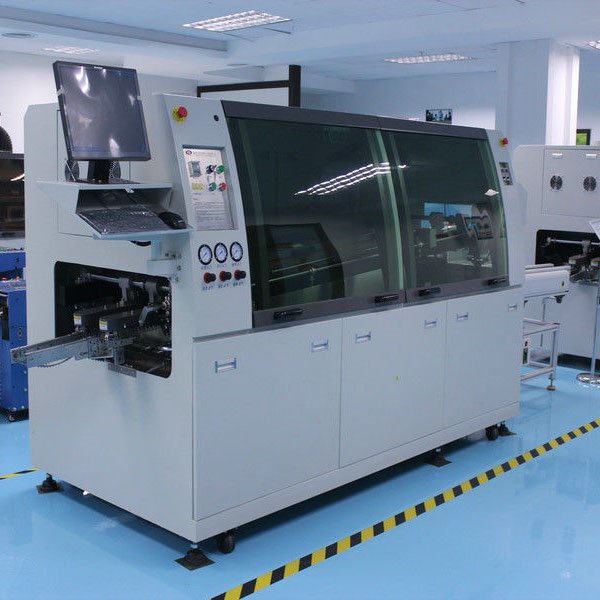
SAC0307 soldering bar used to stabilize / reduce the copper content in the wave solder bar, this requirement will depend on process conditions. As with all Metals bar solder,B proprietary alloying process is used to remove certain impurities, particularly oxides. PCB soldering
Lead-Free Compound
Lead-free soldering barcomprised of various combinations of tin, copper, silver and antimony. Pure tin wire has the highest melting point of 449 degrees. Other combinations of metals melt in a range between 419 and 441 degrees.It is used for wave soldering technique and handling solder.
SAC plus0307 solder stick/bar description:
SACX plus0307 is a patented (US Patent No 4,929,423) lead-free alloy suitable for use as a replacement for Sn63 alloy in the wave solder process. The SACX plus0307 variant is used to stabilize / reduce the copper content in the wave solder bath, this requirement will depend on process conditions. As with all our Metals bar solder, our technician alloying process is used to remove certain impurities, particularly oxides. The product is further enhanced with the addition of 2 minor elements to reduce dross formation and improve the joint cosmetics.
SACX Plus® 0307 also delivers the same high yield wave soldering and reliability performance as the original. As with all SACX alloys, minimal solder dross is also produced due to our proprietary Vaculoy® manufacturing process and the addition of just the right amount of proprietary additives.
Lead freesolder item:
No clean lead-free solder wire
melting point °C
Tensile strength
elongation reat%
expansion rate%
Diameter
Application
Solder wire alloy
Solder bar alloy
Solder paste alloy
Solder powder alloy
Sn99.3Cu0.7
227
30
45
70
≥0.1mm
low cost, the most commonly used;
Lead-free solder for general welding
yes
yes
yes
yes
Sn96.5Ag3.0Cu0.5
217
40
58
78
≥0.1mm
high cost, relatively bright spot;
high performenceCan be excellent for demanding welding
yes
yes
yes
yes
Sn99.95
Sn99.0Ag0.3Cu0.7
Sn42Bi58
138
38
50
75
≥0.5mm
High cost
yes
yes
yes
yes
Tin-lead alloy bar solders
SACX pluso3o7 solder bar is suitable for wave soldering and surface mount applications for electronic assemblers interested in implementing a lead-free process. It is suited to single side and mixed technology boards.Soldering bar(tin solder bar ) is applicable to various high temperature soldering, especially siver solder bar good in inductance wires, transformer and other industries. The alloy composition can be changed according to specific requirement.Apply forComputers, precision instruments, meters, TV, micro technology, coating metals.SACX plus0307 stick is optimized for use in wave and rework operations. Special additives minimize copper erosion during long, hot rework cycles.
Precision BGA Spheres Optimize Sphere Performancemanufactures solder spheres for PBGA, CBGA, TBGA, µBGA, and flip-chip applications. The solder spheres are made using a proprietary manufacturing process that provides consistently high sphericity and accurate diameters.
Indium Corporation can make almost any solder alloy sphere to suit customer needs. Standard alloys include both Pb-free and SnPb eutectic. Standard sphere diameters are commonly packaged in tape & reel and are listed below. We are constantly expanding and adapting our product offering to meet customer needs, so please contact us if you have a unique request.
inches
mm
0.024
0.610
0.035
0.889
0.062
1.57
Packaging:
We also offer two different standard diameter reels for tape & reel solder spheres
Sphere
Diameter (in) Maximum Spheres
Per 7″ Reel (K) Maximum Spheres
Per 13″ Reel Carrier Tape
Wide (mm) Carrier Tape
Peel Strength:
Experience has shown us that consistent tape peel strength eliminates process start and stops and materials losses. Indium Corporation’s manufacturing procedures and quality assurance eliminates these customer concerns.
Alloys:
Solder spheres are available in many alloys including industry standards:
Sn63Pb37
Sn62Pb36Ag2
Pb90Sn10
Pb89.5Sn10.5
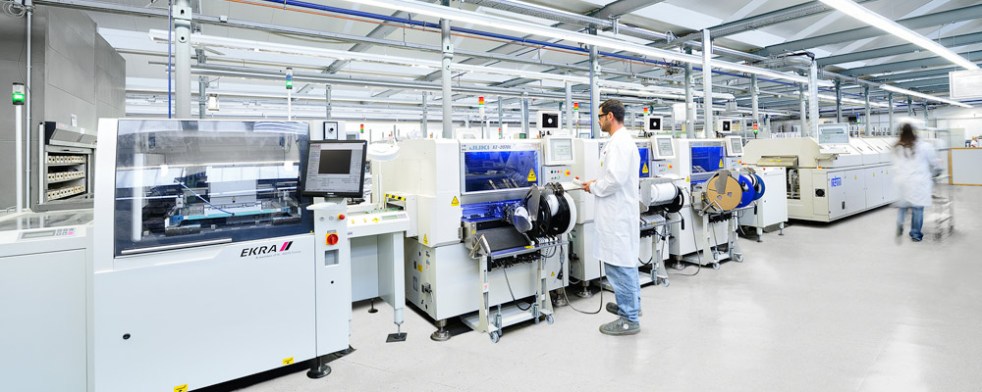
With our four modern SMT (Surface Mount Technology) assembly lines,can assemble up to 86,500 components an hour at its Mönchengladbach site. We manufacture for our customers state-of-the-art designs – from very small 0201 components up to e.g. BGAs, µBGAs and QFPs with a fine pitch of 0.3 mm.
SMT production
By investing regularly in up-to-date technologies, make sure our production keeps up with the state of the art. This ensures that we are able to offer our customers ultimate quality and the latest technologies.
The 4 SMT assembly lines at s.e.t. work as follows:
Automatic loading
Solder paste printing
Assembly
Reflow soldering
Automatic unloading
Automatic optical inspection
offer SMT solution for customers .Pls feel free contact us .
SnCu0.7 lead free high temperature tin copper bar soldering
SnCu0.7 lead free high temperature bar soldering
Item bar solders
Sn99.3Cu0.7 bar solder
Appearance
Lucent, no dirt on surface of stick appearance
Size
(L×W×T×W):32cm×1.8cm×1.5cm×0.7kg/pc 20kg/carton
Chemistry component
Sn
Cu
In
Ag
Sb
Bi
Zn
Fe
Al
As
Cd
99.3±0.1
0.7±0.2
<0.01
<0.0001
<0.02
<0.01
<0.005
<0.02
<0.02
<0.03
<0.002
SCu07is a patented (US Patent No 4,929,423) lead-free alloy suitable for use as a replacement for Sn63 alloy in the wave solder process.
Why choose us?
Our products has the following advantages:
Good wet ability and expandability, and effectively prevent the phenomena of bridged linkage and icicle.
Efficient ability to dioxide film and to coat with quickly.Little spatter and smog, no smell, bright solder joints during soldering.
Little residue and high insulation resistance after soldering, excellent electrical performance, no-clean.
Soldering
Range of application: widely used for manual soldering or automatic iron soldering operations, applicable to repair or the soldering of the electronic elements of electronic products.
1. According to your product use, recommend the most suitable products for you
2. According to your special requirements, design and manufacture of products
3. Required to provide the goods according to the contract, if the goods due to our negligence appear problem, we provide a refund or a replacement
Lead-free soldering barcomprised of various combinations of tin, copper, silver and antimony. Pure tin wire has the highest melting point of 449 degrees. Other combinations of metals melt in a range between 419 and 441 degrees.It is used for wave soldering technique and handling solder.
lead free solder item
No clean lead-free solder
melting point °C
Tensile strength
elongation reat%
expansion rate%
Diameter
Application
Solder wire alloy
Solder bar/block alloy
Solder paste alloy
Solder powder alloy
Sn99.3Cu0.7
227
30
45
70
≥0.1mm
low cost, the most commonly used;
Lead-free solder for general welding
yes
yes
yes
yes
Sn96.5Ag3.0Cu0.5
217
40
58
78
≥0.1mm
high cost, relatively bright spot;
high performenceCan be excellent for demanding welding
yes
yes
yes
yes
Sn99.0Ag0.3Cu0.7
Sn64Bi35Ag1
189
40
50
70
SMT,PCB
not
not
yes
yes
Sn62Pb36Ag2
189
38
54
75
SMT,PCB
not
not
yes
yes
Sn42Bi58
138
38
50
75
≥0.5mm
High cost
yes
yes
yes
yes
tin -lead alloy solder
Tin lead solder bar metal composition and application



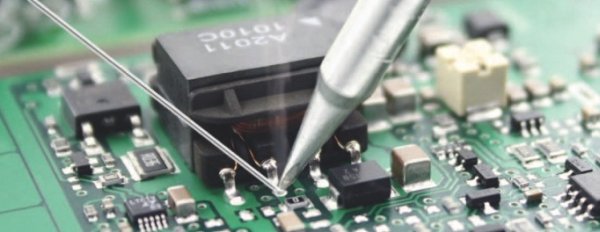
 PCB soldering
 Solder Factory from China