This provides information for people who have:
- confirmed, probable or suspected COVID-19, who do not need to be hospitalised
and
- confirmed COVID-19 who were hospitalised and for whom hospitalisation is medically not required anymore.
If your health care provider has determined that you do not need to be hospitalised and can be treated at home, you will be contacted by local public health staff. You should follow the instructions below until you are told that you can return to your normal activities.
Separate yourself from other people in your home
As much as possible, you should stay in a room by yourself. It should be well-ventilated (eg, open windows), but you should keep the door closed. Keep your distance from other people in your home. This means eating meals in your room by yourself, limiting your movements in shared spaces and using a separate bathroom if possible. If you can, try to have one person who is in good health looking after you. You should not have any visitors.
Stay home, except to get medical care
You should only leave your home or accommodation to get urgent medical care. Do not go to work, school or public areas. Do not use public transportation, ride-sharing services or taxis. You will need to put off or cancel any non-urgent appointments (eg, going to the dentist, hairdresser, eye appointments etc.) until you are advised that you no longer need to stay in isolation.
Call ahead before visiting your doctor
If you have an urgent medical appointment, call the health care provider and tell them that you have or may have COVID-19. This will help their office take steps to keep other people from getting infected or exposed.
Wear a face mask when you are with other people
You should wear a standard medical/surgical face mask when you will be with other people (eg, sharing a room or vehicle) for more than 15 minutes and before you enter a health care provider’s waiting room (noting as above that you should contact your health care provider before you arrive).
If you are not able to wear a face mask (for example, because you have difficulty breathing), then people who live with you should wear a face mask if they enter your room. The face mask should be changed regularly – at least once every hour and whenever it gets wet or dirty. Refer to the instructions below for putting on and taking off a face mask. Discard face masks in a rubbish bin.
Clean your hands
Wash your hands often and thoroughly with soap and water for at least 20 seconds, making sure you dry them thoroughly. Do not share your towel with anyone else in the household. You can also use hand sanitiser (containing at least 60 percent alcohol) if soap and water are not available and if your hands are not visibly dirty. If using hand sanitiser, cover all surfaces of your hands and rub them together until they feel dry. Avoid touching your eyes, nose and mouth with unwashed hands. The same hand hygiene should apply to all household members.
Cover your coughs and sneezes
Cover your mouth and nose with a tissue, your sleeve or elbow when you cough or sneeze. Throw used tissues in a rubbish bin and immediately wash your hands with soap and water for at least 20 seconds, making sure you dry them thoroughly, or use hand sanitiser.
Avoid sharing personal household items
You should not share dishes, drinking glasses, cups, eating utensils, towels, pillows or other items with other people in your home. After using these items, you should wash them in the dishwasher or washing machine or use soap/detergent and water to wash them thoroughly.
Keep your home or accommodation clean and well-ventilated
Overall, the home or accommodation you’re staying in should be clean and well-ventilated, especially the areas shared with other people. Use household gloves when cleaning. You or your carers should:
- clean and disinfect frequently touched surfaces, such as bedside tables, bedframes, door handles and other bedroom furniture daily with an antiseptic wipe or regular household disinfectant, including bleach solutions
- clean and disinfect bathroom and toilet surfaces at least once daily with regular household disinfectant
- clean the patient’s clothes, bedclothes, bath and hand towels etc. separately from other household items:
- use regular laundry soap and water or a washing machine with common household detergent (laundry powder or liquid) and dry thoroughly outside or in a dryer
- do not shake soiled laundry
- avoid direct contact of the skin and clothes with the dirty items
- wear gloves when handling dirty linen
- always clean your hands after handling dirty linen, whether gloves were worn or not.
Seek prompt medical attention if your illness worsens
Seek prompt medical attention if you are feeling worse (eg, shortness of breath or difficulty breathing). Follow the instruction you have received from your public health unit, health care provider or hospital.
Before seeking care, always call your health care provider or ambulance service and tell them that you have or are being investigated for COVID-19. Clean your hands with hand sanitiser and put on a face mask before you enter the facility. These steps will help the health care provider or ambulance service keep other people from getting infected or exposed.
Discontinuing home isolation
You should remain under home isolation until public health staff say that you no longer need to. This will be when the risk of transmission to others is low. Current information on COVID-19 is limited. Some precautions are conservative and are based on general recommendations for other viruses.
How to correctly wear and remove a face mask
If you are unwell or have a job which requires you to be in close contact with people who may have COVID-19, we recommend you use a face mask. It is important that face masks are worn and removed correctly. Masks should fit snugly and fully cover your nose and mouth.
Always wash your hands with soap and water and dry your hands thoroughly or use hand sanitiser before and after fitting your face mask.
How to wear a face mask
- place over nose, mouth and chin
- fit flexible nose piece over nose bridge
- secure on head with ties or elastic
- adjust to fit – secure on your head, fitting snugly around your face with no gaps
- avoid touching or adjusting your mask during use.
How to remove a face mask
- avoid touching the front of the mask
- if the mask has ties, untie the bottom, then top tie
- remove from face
- discard, do not use again
- wash hands with soap and water and dry hands thoroughly or use hand sanitiser immediately.
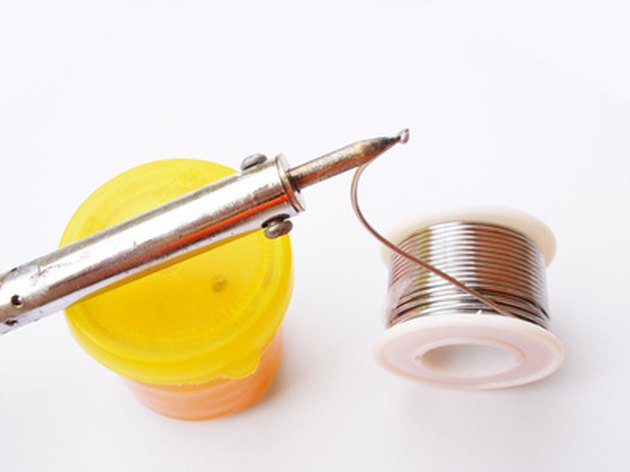
- We are professional solder wire manufacturer in China , Pls feel free contact us.


 Solder Factory from China